Virtual Reality isn’t just something out of science fiction anymore and it’s here, and it’s changing how we use technology. Suddenly, it’s not just about clicking around on screens. Now, you can actually step inside digital worlds and really feel like you’re part of them. You see it everywhere, too such as games, schools, hospitals, even work meetings are starting to use VR to make things more immersive.
Tech’s moving faster than ever, so Virtual Reality keeps opening up new ways to experience entertainment, learn stuff, and work. If you’re between 20 and 50 and pretty plugged into technology, it’s smart to pay attention to where VR is headed.
A New Level of Digital Immersion
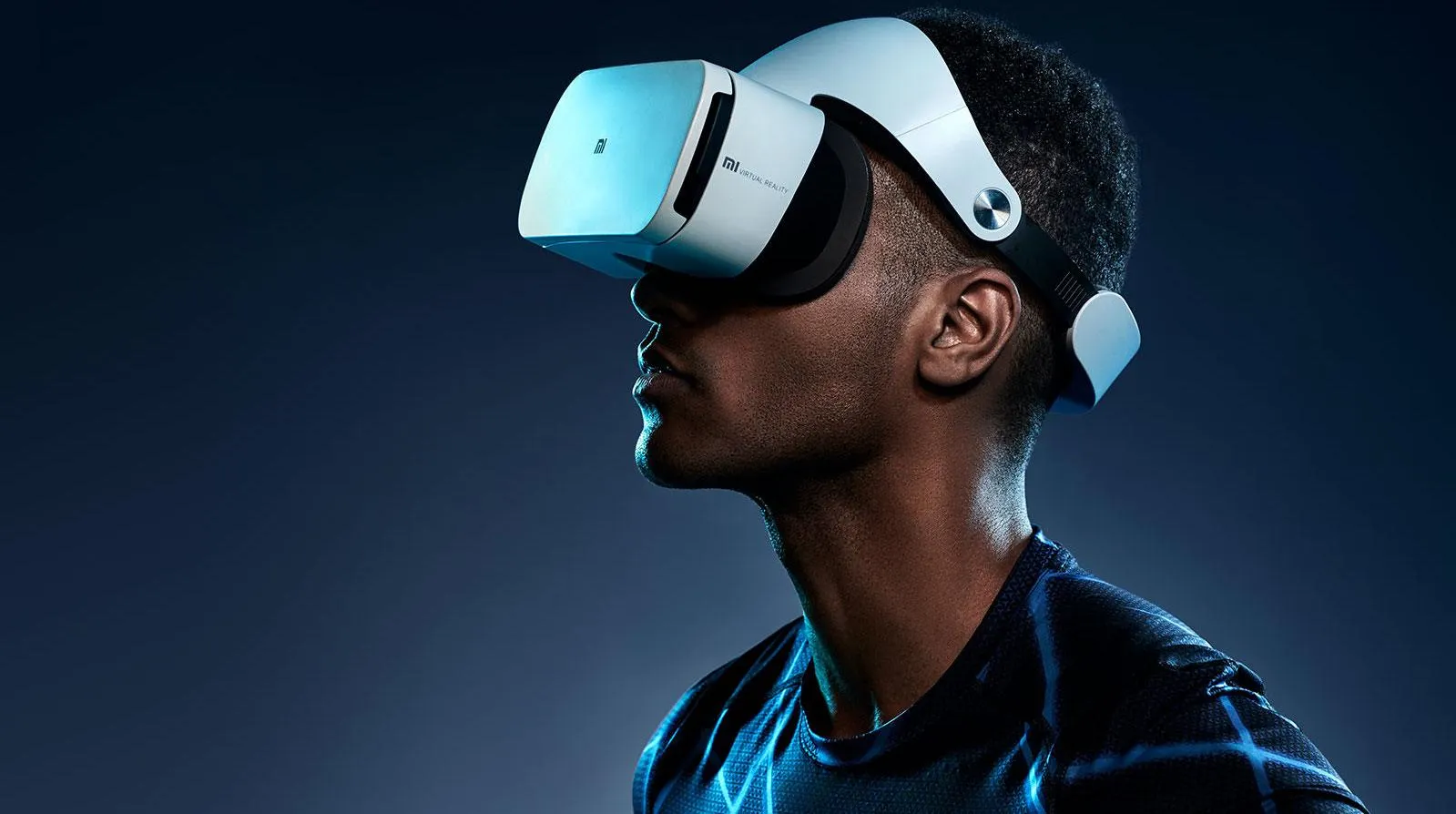
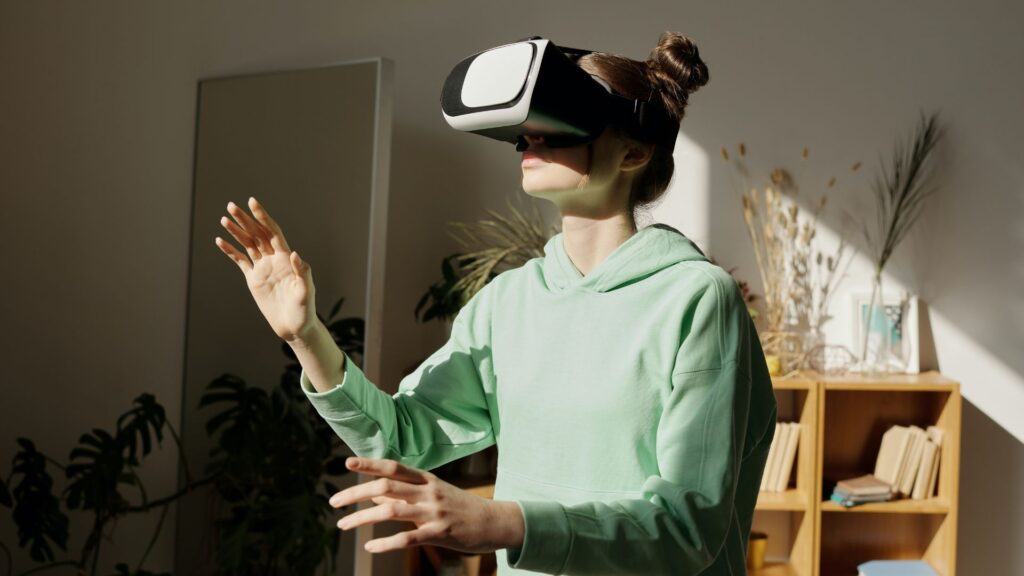
What’s wild about VR is the sense of presence. Put on one of those headsets and, suddenly, you’re not just watching. But you’re inside a whole other place. It’s nothing like checking your phone or browsing on a laptop. VR wraps you in a 3D world that reacts when you move.
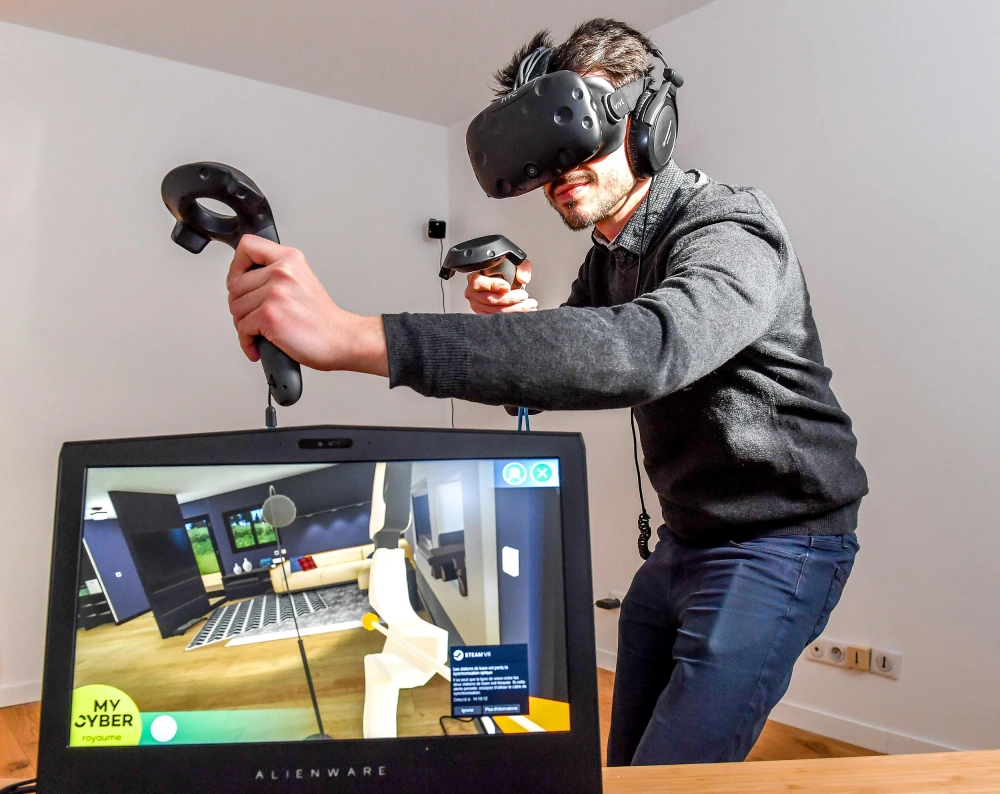
Turn your head, the view changes. Reach out, and you can grab stuff with your hands. The whole thing just feels more real and way more engaging than traditional screens. Lots of experts think VR is going to totally change how we communicate and interact with media.
Transforming Entertainment and Gaming
Entertainment was quick to jump on the VR bandwagon. With VR games, you’re not just tapping buttons anymore. You actually move, pick things up, and wander around like you’re the main character. And it’s not just about games, either. People are using VR for movies, concerts, and live events.
Imagine fans from all over the world attending the same virtual concert and feeling like they’re together in the same place. Even storytelling gets a boost, where you don’t just watch scenes and get to explore them. For a lot of adults in their twenties, thirties, or forties, VR media feels fresh and exciting compared to old-school stuff.
A Powerful Tool for Education and Learning
VR is making a big splash in education, too. Instead of just reading or watching a video, you get to experience lessons firsthand. Walk around historical sites, examine the human body, or run science experiments, all with zero actual risk. These kinds of experiences help people understand and remember tough subjects.
It’s not just students, professionals are using VR for training. Pilots, engineers, even emergency responders practice tricky tasks in VR so they’re ready before facing the real thing. It builds confidence and skills, and it’s just more efficient.
Changing the Way People Work and Collaborate
Remote work isn’t slowing down, and VR is starting to matter more for teams that meet online. Instead of staring at boxes on a video call, coworkers can gather in virtual spaces and actually interact. They can huddle around a virtual whiteboard, check out 3D models, or brainstorm ideas as if they’re together in an office.
It feels more connected than regular online meetings. If your team’s spread out around the globe, VR can really help with communication and teamwork.
Expanding Opportunities in Healthcare
Healthcare is another area where VR’s making a difference. Doctors use it for surgical practice and running through procedures virtually until they feel ready for the real thing. Patients benefit, too. VR can distract them from pain or anxiety during treatments, helping them cope better.
It’s showing up in mental health, as well. Therapists use VR to help people face fears in controlled environments, which is useful for phobias, anxiety, and PTSD. The safe setting means patients can make progress without feeling overwhelmed.
The Growing Future of Virtual Reality
VR tech keeps getting better every year. Headsets are lighter and more comfortable now, and wireless options make it easier for anyone to try. Developers are mixing VR with AI and smart sensors to push what’s possible and not just for games, but for all kinds of digital experiences. As prices drop and content gets more interesting, VR is becoming something people use regularly.
Conclusion
Virtual Reality is transforming the digital world in ways most people wouldn’t have dreamed of ten years ago. It’s not just about looking what it’s about feeling like you’re actually inside the experience.. And as it keeps evolving, Virtual Reality is going to be one of the biggest influences on how we connect, learn, and play in the future.