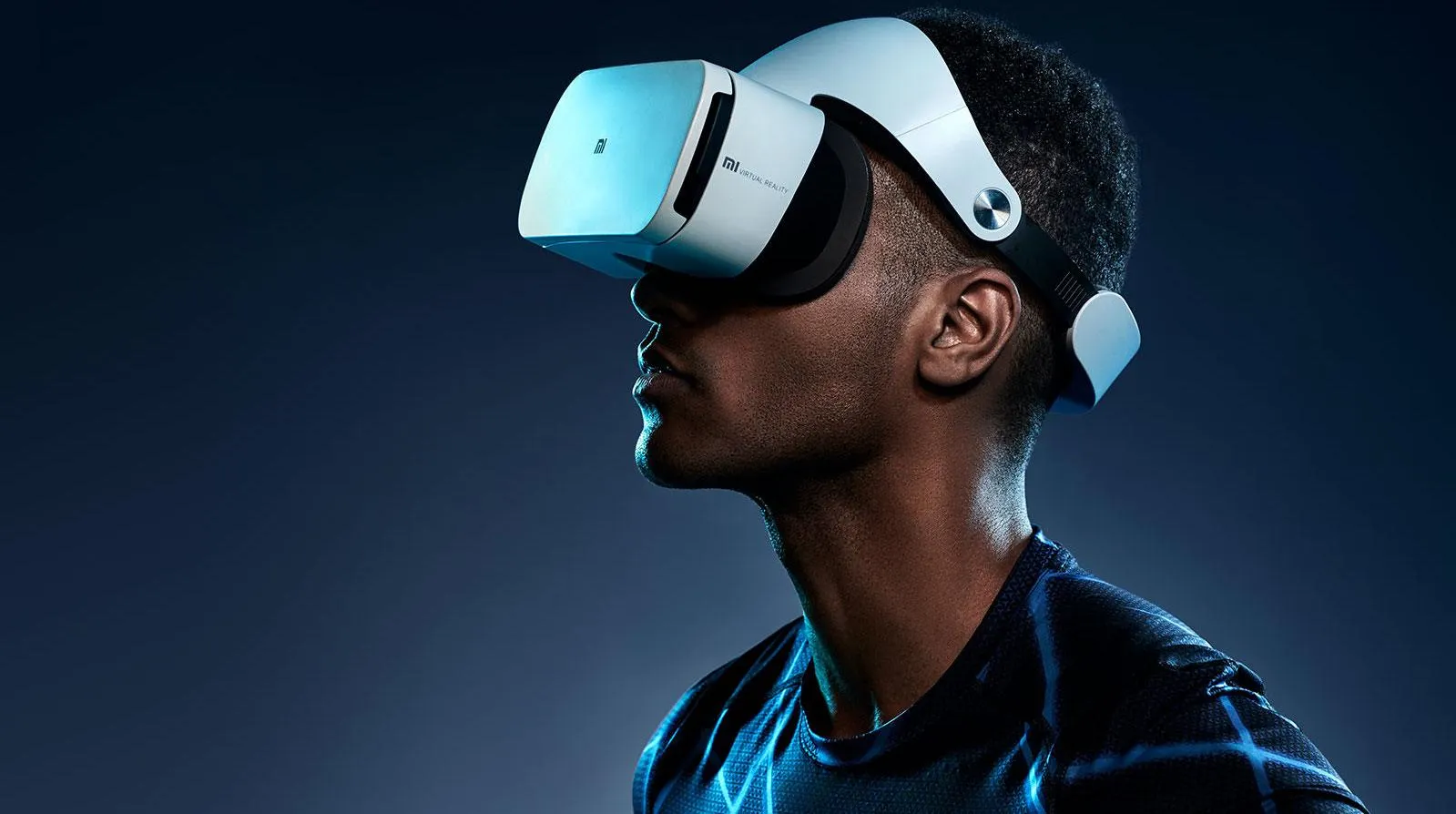
Smart devices have slipped into everyday life without much fanfare. For a lot of people, the day starts when their phone alarm goes off and ends with a last glance at social media or a streaming service. These connected gadgets such as phones, smartwatches, voice assistants, and all kinds of home automation tools are changing how people talk to each other, work, learn, and run their lives. As digital tech keeps moving forward, these devices aren’t just for convenience anymore. They’re turning into must-haves for daily living.
The Rise of Smart Devices in the Digital Age
Over the past twenty years, technology has moved from being simple electronics to becoming smart, always-connected systems. Early mobile phones were mostly for making calls or sending messages. Now, smartphones act like pocket computers that handle your schedule, keep an eye on your money, control stuff at home, and give you instant info whenever you want.
What’s fueling this shift? Fast internet, cloud computing, and big leaps in artificial intelligence. Now smart devices learn from the way you use them, so they get better and more tuned in to your habits. You get personalized music choices, reminders, and all kinds of little things that make your day smoother.
Wearables like fitness trackers and smartwatches have taken off too. They track your heart rate, sleep, and daily activity, which really matters to adults in their 20s through 50s looking to stay healthy. These tools have become valuable for keeping life balanced.
Smart Devices and Daily Convenience
Honestly, the big reason smart devices have caught on is how much easier they make life. Stuff that used to take time or effort now happens with just a tap or a voice command.
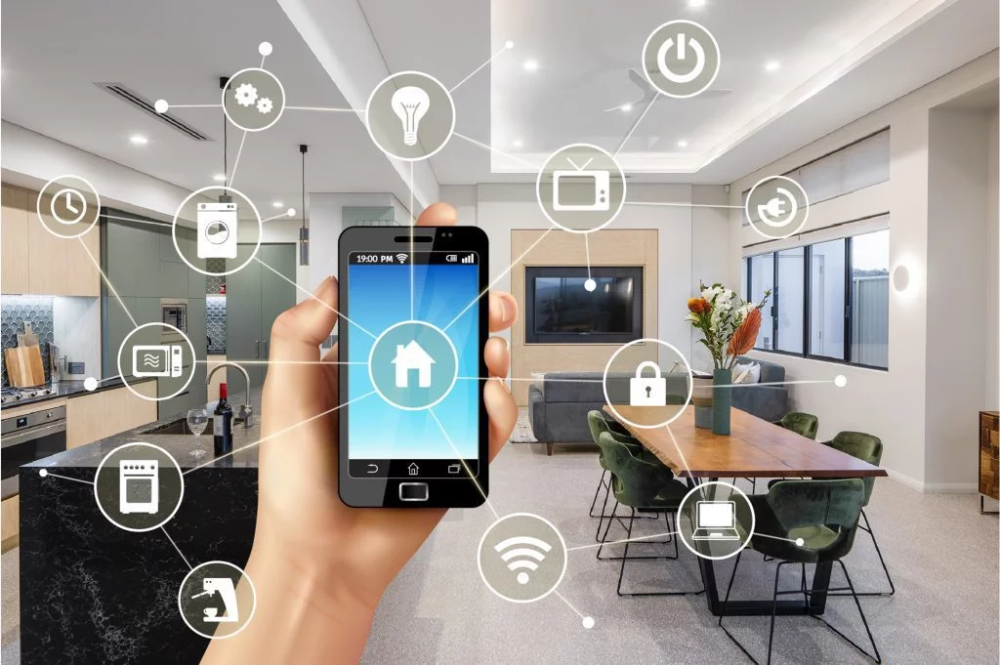
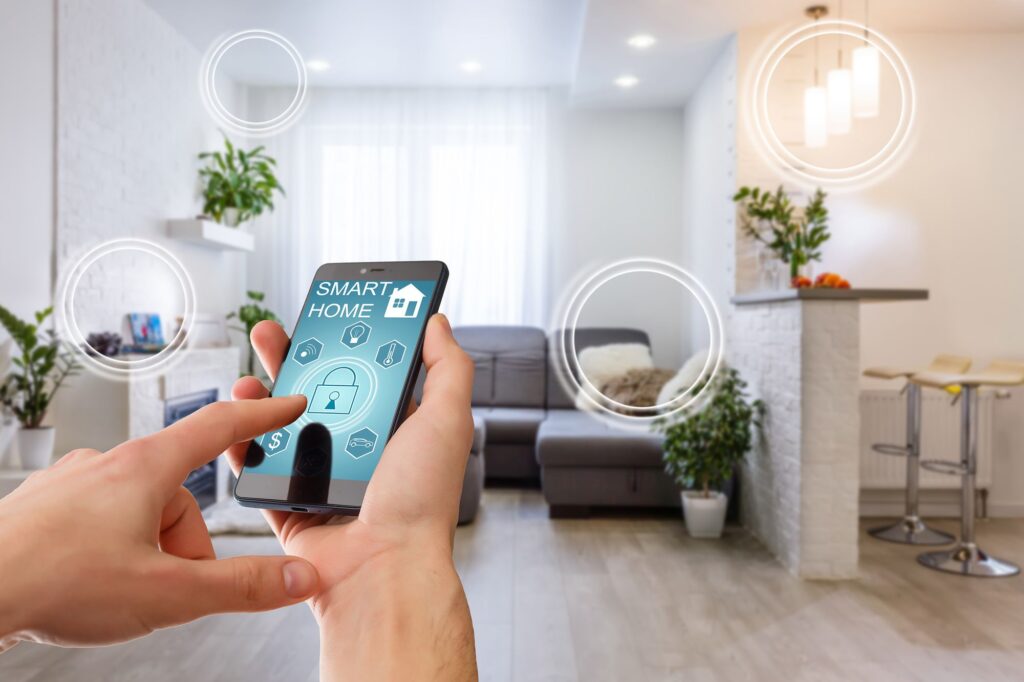
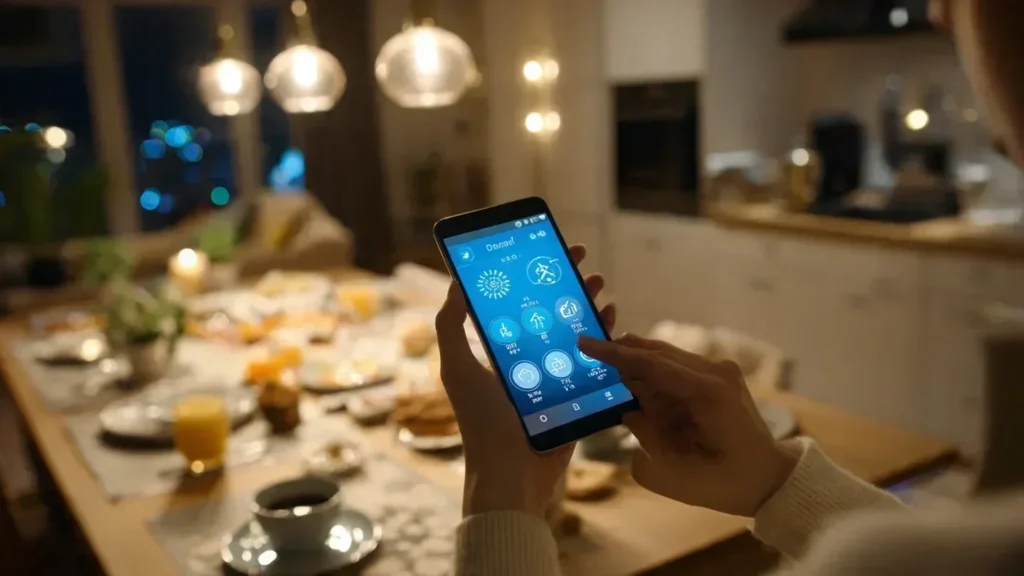
You can order dinner, check your bank balance, book a ride, or text friends in seconds. At home, smart technology goes even further. With an app, you can control your lights, adjust the thermostat, or check who’s at the door.
Imagine this: you’re leaving work and decide to turn on the heat, switch on the porch light, or peek at the security cameras before you even pull into the driveway. Voice assistants make the process even simpler. Just say what you want, and it happens. All this makes tech feel like it just fits into your routine.
And here’s the thing: these small conveniences add up. They save time and cut down on stress. That’s why more and more households are building out these connected systems.
How Smart Devices Are Changing Everyday Digital Life
The way we work and learn looks completely different now, with smart devices in the mix. Remote work is the norm for a lot of people, and mobile devices help them stay in touch with teammates and projects wherever they are. Sharing files, chatting, or tracking to-do lists happens in the cloud, so you don’t have to be in the same room to get things done.
Learning’s changed, too. Phones and tablets open the door to online courses, videos, and other tools, so anyone can pick up new skills when it works for them and even if their days are packed.
Keeping in touch is quicker and more immediate than ever. Video calls, instant messages, and social media close the gap between family, friends, and coworkers, even if they’re living in different cities or countries.
Challenges of Living in a Smart Device World
Still, things aren’t always perfect. Leaning on smart devices gets tricky sometimes. Too much screen time worries plenty of people and it’s so easy to lose track with all those constant alerts and distractions. Before you know it, your focus slips, and so does your mood.
Privacy is another thing. These gadgets gather tons of details about you, all in the name of being “smarter,” but that really makes people wonder: Who has their hands on your info, and what are they doing with it? More folks are starting to notice. They’re figuring out ways to lock down their data and stay safe.
And honestly, there’s always that danger of just relying too much on tech. Sure, these things help, but keeping life in check means not letting gadgets run the show. If you want to look after your own well-being and the people around you, you have to keep a foot in both worlds.
Conclusion
Smart devices have completely reshaped daily life. They simplify things at home, make remote work possible, and turn learning into something you do on your schedule. For busy adults, these devices are the go-to for staying organized, connected, and on top of things.
But as tech moves forward, using it wisely just gets more important. Balancing digital ease with real-world living isn’t always easy, but it’s worth it. Use smart devices with a little thought, and they fit right in also they help out, not take over.