Social media has completely changed how people talk to each other, share their thoughts, and take in information. In just twenty years, platforms that started out as places to connect friends have turned into massive networks shaping news, culture, business, and even politics.
Now artificial intelligence is shaking things up all over again. AI isn’t just hiding in the background anymore. It’s fast becoming the main way people search for answers, learn new facts, and interact with what’s out there online. As AI gets more tangled up with social networks, social media is heading into a whole new phase that could change how we connect and make sense of the world.
How Social Media Changed the Digital Conversation
Back in the early 2000s, social media had one simple job: help people connect. It let folks share updates, photos, and messages with their friends and communities. Pretty soon, though, these platforms became a lot more than just digital hangouts.
Algorithms started choosing which posts got seen, pushing content that got the most likes, comments, and shares. That made attention a big deal. Posts that fired up strong emotions spread quicker than calm discussions, and that shifted the tone of online conversations.
For people between 20 and 50, social media became part of everyday life. It turned into a source for news, a way to promote businesses, a place to find trends, and a space to join public debates. Sure, these platforms opened up new ways to speak out and connect, but they also brought problems like misinformation, polarization, and information overload. It’s worth taking these lessons into the next phase of digital tech.
Artificial Intelligence Is Transforming the Social Media Experience
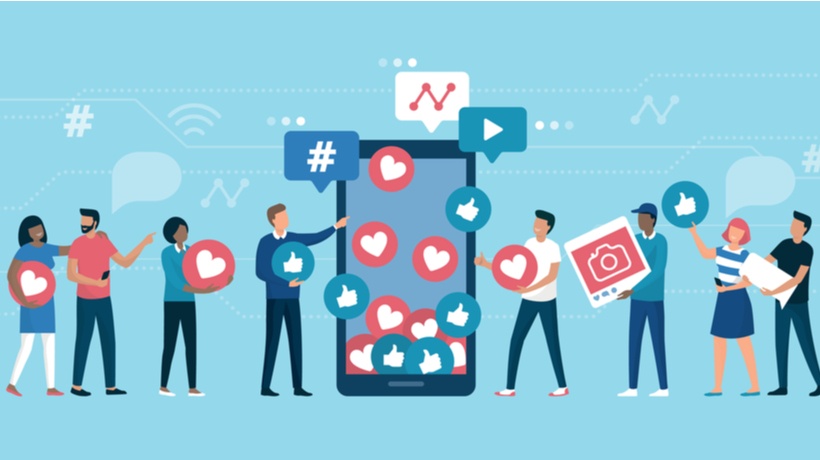
AI has stepped up its role in how information moves through social networks. It helps recommend content, spot harmful posts, translate languages, and personalize each user’s experience. But honestly, AI’s impact goes way past those behind-the-scenes jobs.
These days, AI-powered systems can summarize news, write text, answer questions, or even whip up images and videos. Instead of just browsing a feed, users interact with smart assistants that sort and explain information for them.
That changes how people deal with content. So instead of scrolling forever, you might ask AI to explain what’s going on, point out trends, or serve up what matters most. Social media is becoming less about sharing and more about using AI to help make sense of things.
For professionals, entrepreneurs, and digital creators in their 20s, 30s, and 40s, this shift could completely change how people find and engage with content online.
Personalization and the Risk of Information Bubbles
Personalization and it’s probably the most powerful feature of both social media and AI. Algorithms learn what you like and then give you content that fits your interests and habits.
That can make the online world much smoother, but there’s a catch. Over time, the stuff you see mostly backs up the views you already hold. That creates information bubbles, and suddenly, groups see totally different versions of the same issues.
AI might make this even stronger, since it often gives straight-up answers without showing different sides. The way info gets summarized or explained can change how people take in events.
Two people asking the same question online could get slightly different answers, depending on their browsing history, where they live, or what they’ve clicked on before. Little differences like that can slowly shift how people understand social and political issues. As social media keeps evolving with AI, it’ll be more important than ever to make sure everyone can access diverse viewpoints.
The Speed of Innovation Compared to Society’s Ability to Adapt
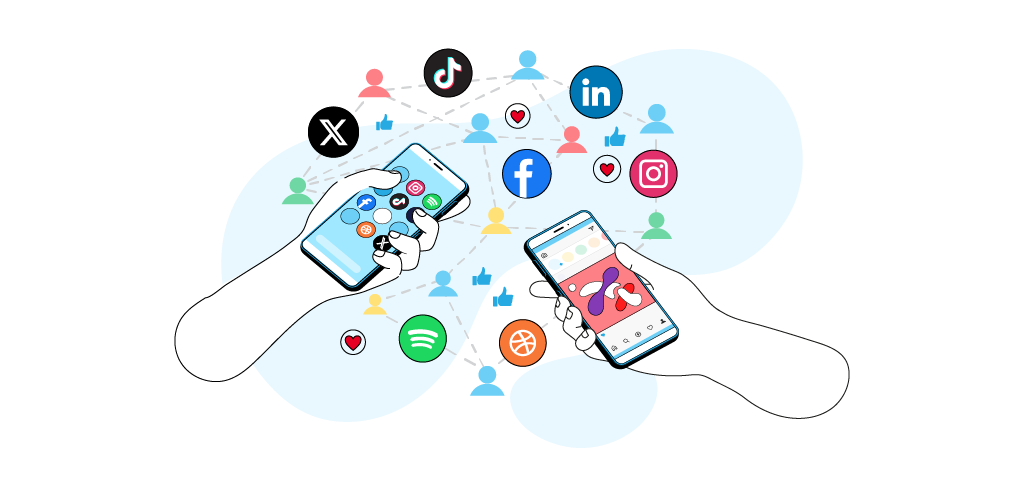
One big lesson from social media history is how tech spreads fast, but society lags behind. Social networks went global in just a few years, but talks about privacy, safety, and designing platforms responsibly took way longer. Even now, governments, companies, and communities are still figuring out how these technologies affect us in the long run.
Artificial intelligence is moving even faster. People already use AI every day for learning, work, creating content, and making decisions. But social norms around authorship, transparency, and accountability? Those are still catching up. For adults working through jobs, businesses, and family life, understanding how AI shapes information is going to be a key digital skill.
Conclusion
Social media’s evolution in the AI age is probably one of the biggest shifts in digital culture today. What started as simple ways to connect has grown into complex systems where algorithms steer information and AI helps us interpret it.